What this draft is about (in simple terms)
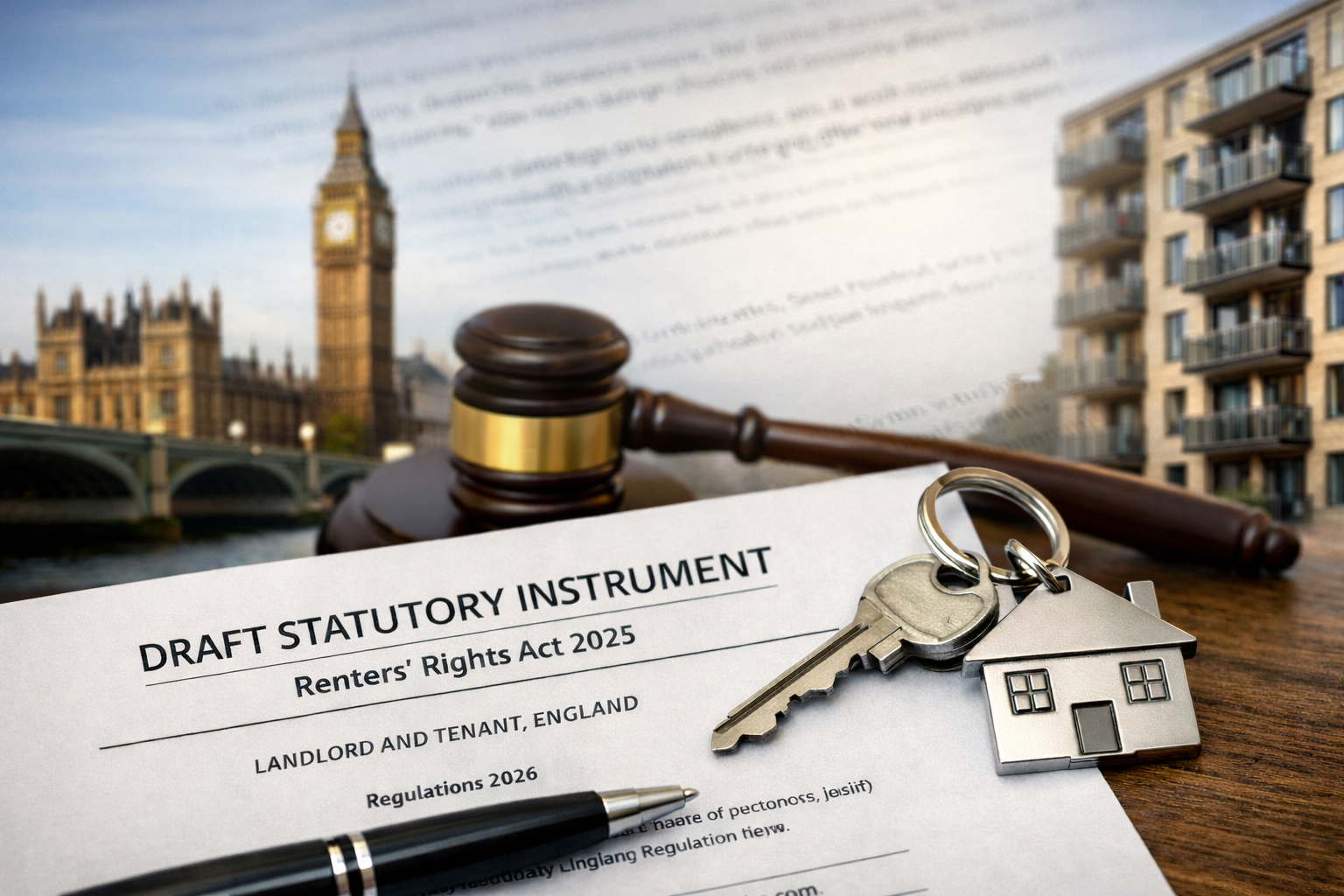
This document is a new set of rules that explains exactly what information landlords must give their tenants in writing.
It supports the Renters’ Rights Act 2025 and tells landlords:
What must be written down
Who it applies to
When it applies
What extra information existing tenants must receive
Its purpose is to make tenancies clearer, more transparent, and more enforceable.
Who this applies to
These rules apply to:
Private landlords in England
Assured tenancies in the private rented sector
Not social housing
They apply to:
New tenancies starting from 1 May 2026
Older tenancies that were agreed verbally
Existing written tenancies (for additional information only)
The core requirement (the big change)
Landlords must give tenants a written statement that clearly explains the tenancy.
This is separate from just having a tenancy agreement, the law now requires specific information to be clearly set out.
What landlords must include in writing
1. Basic details
Landlords must clearly state:
Who the landlord is (all names if joint landlords)
Who the tenant is (all names if joint tenants)
The address of the property
An address where the landlord can be formally contacted
The start date of the tenancy
2. Rent and money
Landlords must explain:
How much rent is
When rent is due
That rent can only be increased using the legal process
Any bills the tenant pays to the landlord (for example utilities or council tax)
Whether bills are included in rent or charged separately
The amount of any tenancy deposit
3. Ending the tenancy
Landlords must explain:
How much notice a tenant must give to leave
That landlords usually cannot end a tenancy without a court order
That the notice period a landlord must give depends on the legal reason used
This is designed to make tenants fully aware of their security.
4. Property condition and repairs
Landlords must clearly state their legal responsibilities, including:
Keeping the property fit to live in
Maintaining the structure and exterior
Keeping water, gas, electricity, sanitation, heating, and hot water in working order
This confirms existing duties, it does not create new repair obligations, but it does require them to be explained clearly.
5. Safety checks
Landlords must explain their duties to:
Carry out electrical safety checks at least every 5 years
Carry out gas safety checks (if gas is installed)
Provide copies of safety reports to tenants
6. Disability-related improvements
If applicable, landlords must explain that:
They cannot unreasonably refuse consent for disability-related improvements
This applies where a disabled person lives in (or intends to live in) the property
This does not apply if the tenancy already includes similar provisions
7. Pets
Landlords must explain that:
Tenants can request permission to keep a pet
Consent must not be unreasonably refused
This does not mean landlords must always allow pets, but refusals must be reasonable and justifiable.
8. Supported accommodation (if relevant)
If the tenancy is classed as supported accommodation:
This must be stated
The reason it qualifies as supported accommodation must be explained
Extra requirement for existing tenancies
If a tenancy already existed before 1 May 2026, landlords must also give tenants:
An official government information sheet
This explains how the Renters’ Rights Act 2025 affects them
This applies even if the tenancy agreement itself does not change.
What this document does not do
It does not:
Set rent levels
Ban evictions
Create new repair duties
Apply to social housing
Instead, it focuses on clarity, transparency, and enforceability.
Why this matters for landlords
If required information is:
Missing
Out of date
Unclear
Never provided
Landlords may face:
Invalid notices
Fines
Delays in possession
Problems increasing rent
Greater risk in disputes or enforcement
In short: Paperwork now directly affects your legal position.
One-sentence summary
This document makes it a legal requirement for landlords to clearly explain in writing - who they are, what the tenant pays, how the tenancy works, what rights the tenant has, and what responsibilities the landlord must meet.